
why is my website not ranking on google?
Many website owners search for answers to Why Is My Website Not Ranking on Google? when their pages fail to get organic traffic.Creating a website is an important step for any business, but simply launching a website does not guarantee that people will find it on Google. Many website owners become frustrated when their website fails to appear on the first page of search results despite investing time and effort into building it.
Google uses complex algorithms to determine which websites deserve higher rankings. If your website is not ranking well, there are usually specific reasons behind it. Understanding these reasons can help you improve your website’s visibility and attract more organic traffic.
In this article, we will explore the most common reasons why websites fail to rank on Google and what you can do to improve your search engine performance.
1. Your Website Is Too New
One of the most common reasons a website is not ranking is that it is still new. Google needs time to discover, crawl, and evaluate new websites before giving them strong rankings.
New websites usually have little authority and few backlinks. As a result, they may not appear in search results immediately.
Patience is important. Consistently publishing quality content and improving your website can help build trust with Google over time.
2. Your Website Is Not Indexed
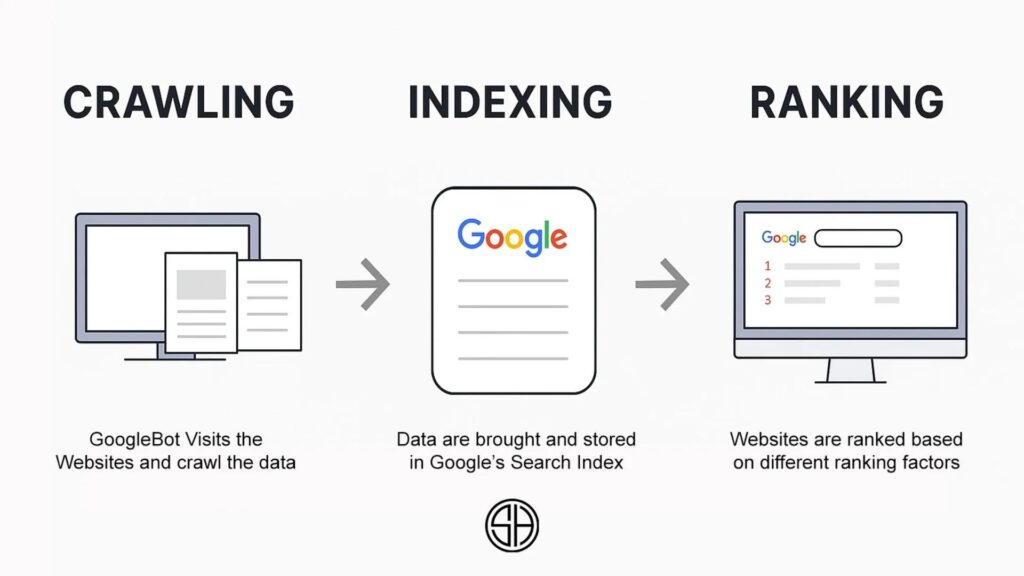
If Google has not indexed your website, it cannot appear in search results.
Indexing is the process where Google stores information about your pages in its database. Without indexing, your content remains invisible to search users.
Common indexing issues include:
- Incorrect website settings
- Blocked pages
- Missing sitemap
- Technical errors
Submitting your website to Google Search Console can help ensure that Google discovers and indexes your pages properly.
3. Poor Keyword Targeting
Keywords help Google understand what your content is about. Many websites fail to rank because they target the wrong keywords or do not use keywords effectively.
For example, trying to rank for extremely competitive keywords can be difficult for a new website. Instead, focusing on more specific and less competitive keywords often produces better results.
Researching what your audience is searching for helps create content that matches user intent and improves ranking opportunities.
4. Low-Quality Content
Understanding Why Is My Website Not Ranking on Google? often requires checking content quality and SEO improvements.Content is one of the most important ranking factors. Google wants to provide users with useful, informative, and trustworthy information.
If your website contains thin, outdated, duplicated, or poorly written content, Google may not consider it valuable enough to rank.
High-quality content should:
- Answer user questions
- Provide useful information
- Be easy to read
- Offer original insights
- Stay updated
The more value your content provides, the greater your chances of ranking well.
5. Lack of Search Engine Optimization (SEO)
Many websites are built without proper SEO practices.
SEO involves optimizing your website so search engines can understand and rank it effectively. Common SEO mistakes include:
- Missing title tags
- Poor meta descriptions
- Unoptimized images
- Broken links
- Weak internal linking
Even excellent content may struggle to rank if technical SEO is ignored.
Implementing basic SEO best practices can significantly improve your visibility on Google.
6. Slow Website Speed
Website speed affects both user experience and search rankings.
Visitors expect websites to load quickly. If pages take too long to load, users often leave before viewing the content.
Google considers page speed as a ranking factor because it wants to provide users with the best possible experience.
Common causes of slow websites include:
- Large image files
- Excessive plugins
- Poor hosting services
- Unoptimized code
Improving website speed can boost both rankings and user satisfaction.
7. Your Website Is Not Mobile-Friendly

Most internet users now browse websites using mobile devices.
Google uses mobile-first indexing, meaning it primarily evaluates the mobile version of your website when determining rankings.
If your website is difficult to use on smartphones or tablets, your rankings may suffer.
A mobile-friendly website should:
- Load quickly
- Display properly on all screen sizes
- Have readable text
- Offer easy navigation
Optimizing for mobile users is essential for modern SEO success.
8. Lack of Backlinks
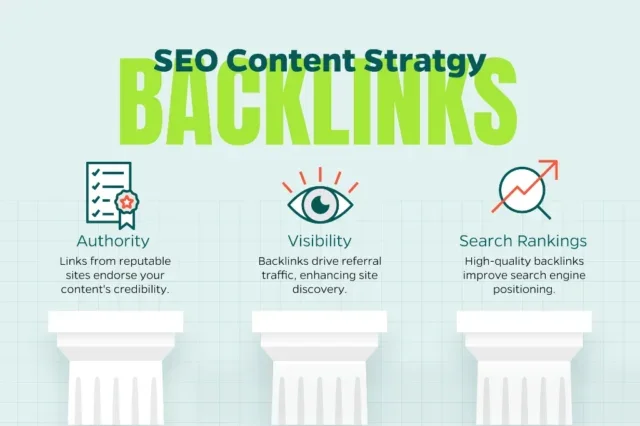
Backlinks are links from other websites pointing to your site. They act as votes of confidence in the eyes of Google.
Websites with strong backlink profiles often rank higher because Google sees them as more trustworthy and authoritative.
If your website has few or no backlinks, it may struggle to compete against established websites.
Building quality backlinks through valuable content, guest posting, and industry networking can improve your authority and rankings.
9. High Competition
Sometimes your website is not ranking simply because the competition is very strong.
Popular industries often have websites that have been building authority for years. Competing against these websites requires consistent effort and long-term SEO strategies.
Instead of targeting highly competitive keywords immediately, focus on niche topics and long-tail keywords where competition is lower.
This approach helps attract targeted traffic while gradually building authority.
10. Poor User Experience
Google wants users to have positive experiences when visiting websites.
Factors that negatively affect user experience include:
- Confusing navigation
- Excessive advertisements
- Poor design
- Difficult-to-read content
- Broken pages
A website that provides a smooth and enjoyable experience is more likely to rank well.
Improving usability helps both visitors and search engines understand your site better.
11. Inconsistent Content Publishing
Many website owners publish a few articles and then stop creating content.
Google prefers websites that remain active and regularly provide fresh information.
Consistent content publishing helps:
- Attract more visitors
- Target additional keywords
- Improve authority
- Encourage more indexing
Creating a content calendar and publishing regularly can strengthen your SEO efforts over time.
12. Ignoring Local SEO
For local businesses, local SEO is extremely important.
If you serve customers in a specific area, you should optimize your website for local searches.
Important local SEO practices include:
- Creating a Google Business Profile
- Using location-based keywords
- Collecting customer reviews
- Including local contact information
Ignoring local SEO can cause businesses to miss valuable opportunities to attract nearby customers.
13. Technical Website Issues
Technical problems can prevent Google from properly crawling and understanding your website.
Examples include:
- Broken links
- Duplicate content
- Crawl errors
- Missing SSL certificates
- Incorrect redirects
Regular website audits help identify and fix these issues before they affect rankings.
A technically healthy website gives Google a better experience when crawling your pages.if you want any services,contact me
Conclusion
Knowing Why Is My Website Not Ranking on Google? helps website owners identify problems and improve their search performanceIf your website is not ranking on Google, the problem is usually caused by one or more factors rather than a single issue. Common reasons include poor SEO, low-quality content, slow website speed, lack of backlinks, mobile usability problems, and strong competition.
The good news is that most ranking problems can be fixed with consistent effort and the right strategy. Focus on creating valuable content, improving user experience, optimizing for search engines, and building website authority over time.
Ranking on Google rarely happens overnight. However, by following SEO best practices and continuously improving your website, you can increase visibility, attract more visitors, and achieve long-term online success.