
Introduction
The Biggest Digital Marketing Mistakes to Avoid can prevent businesses from achieving their online marketing goals. Digital marketing has become one of the most effective ways for businesses to reach customers, build brand awareness, and increase sales. From social media marketing and search engine optimization (SEO) to email campaigns and content marketing, businesses have many opportunities to grow online. However, success in digital marketing is not guaranteed. Many businesses make common mistakes that reduce their visibility, waste their budget, and limit their results.
Whether you are a beginner, a freelancer, or a business owner, understanding these mistakes can help you create more effective marketing strategies. Avoiding these errors can save time, improve performance, and help you achieve better outcomes. In this article, we will explore the biggest digital marketing mistakes to avoid and how to overcome them successfully.
1. Ignoring a Clear Marketing Strategy
One of the most common mistakes in digital marketing is starting without a clear plan. Many businesses create social media posts, run advertisements, or publish content without setting goals.
Without a strategy, it becomes difficult to measure success and understand whether marketing efforts are working. A successful digital marketing campaign should have clear objectives such as increasing website traffic, generating leads, improving brand awareness, or boosting sales.
Before launching any campaign, businesses should define their goals, identify their target audience, and create a plan for achieving desired results.
2. Not Understanding the Target Audience
Digital marketing becomes ineffective when businesses do not understand who they are trying to reach. Creating content for everyone often means connecting with no one.
Businesses should research their audience’s interests, needs, challenges, and online behavior. Understanding customer preferences helps create relevant content and targeted campaigns.
When marketing messages match audience needs, engagement and conversion rates improve significantly.
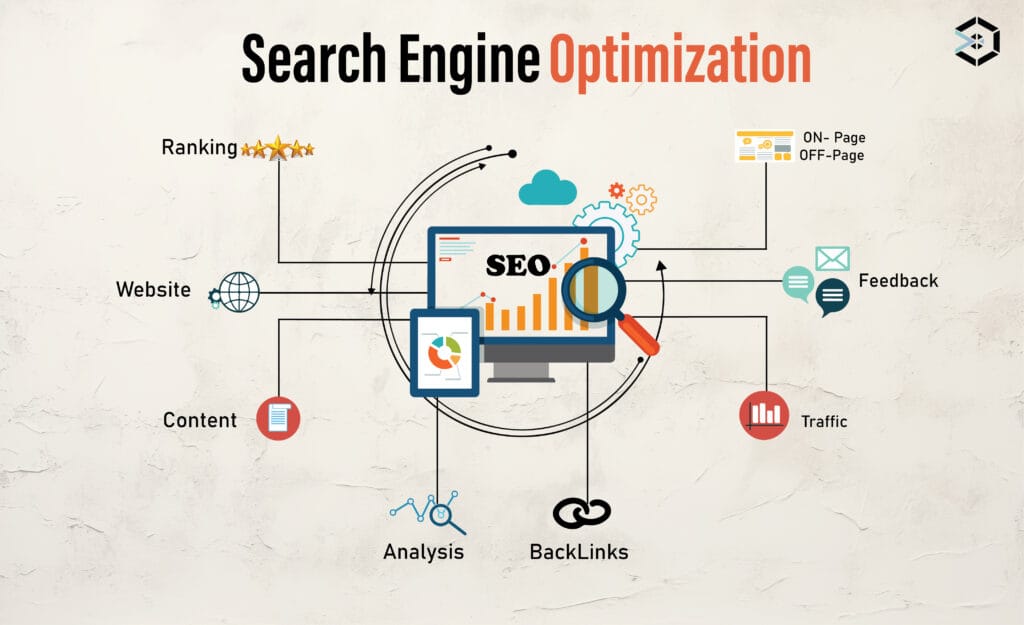
3. Neglecting Search Engine Optimization (SEO)
SEO plays a crucial role in helping websites appear in search engine results. Many businesses either ignore SEO completely or fail to apply it correctly.The Biggest Digital Marketing Mistakes to Avoid include ignoring SEO, as it directly affects your website’s visibility and organic traffic.
Without proper SEO, a website may struggle to attract organic traffic. Common SEO mistakes include using the wrong keywords, publishing low-quality content, ignoring meta descriptions, and failing to optimize images.
Investing in SEO helps improve visibility, attract potential customers, and increase long-term website traffic.
4. Having a Poor Website Experience
A website is often the first interaction customers have with a business. If the website is slow, confusing, or difficult to navigate, visitors may leave quickly.
Many businesses focus on attracting traffic but overlook user experience. A professional website should be mobile-friendly, fast-loading, easy to navigate, and visually appealing.
Improving website performance can increase visitor engagement and improve conversion rates.
5. Inconsistent Social Media Activity
Social media is a powerful marketing channel, but many businesses fail to use it consistently. Posting irregularly can reduce audience engagement and make a brand appear inactive.
Consistency helps maintain visibility and build stronger relationships with followers. Businesses should create a content schedule and regularly share valuable content.
A consistent presence on social media helps keep audiences engaged and improves brand recognition.
6. Focusing Only on Selling
Many businesses use digital marketing solely to promote products and services. Constant sales-focused content can make audiences lose interest.
Customers often look for useful information, entertainment, and solutions to their problems. Successful digital marketing balances promotional content with educational and engaging content.
Providing value helps build trust and encourages long-term customer relationships.
7. Ignoring Content Quality
Content is one of the most important elements of digital marketing. Poor-quality content can damage credibility and reduce audience engagement.
Businesses sometimes publish content quickly without considering accuracy, readability, or relevance. High-quality content should be informative, well-structured, and useful to the target audience.
Investing time in creating valuable content helps improve search rankings and build authority within an industry.

8. Not Tracking Performance
Many businesses launch marketing campaigns but fail to monitor results. Without tracking performance, it is impossible to know what is working and what needs improvement.
Digital marketing provides access to valuable data through tools such as website analytics and social media insights. Businesses should regularly review metrics such as traffic, engagement, conversions, and click-through rates.
Data-driven decisions help improve marketing strategies and maximize return on investment.
9. Overlooking Mobile Users
Mobile devices account for a large percentage of internet usage. Despite this, some businesses still create websites and content that are not optimized for mobile users.
A poor mobile experience can frustrate visitors and lead to lost opportunities. Websites should be responsive and easy to use on smartphones and tablets.
Optimizing for mobile users improves user satisfaction and supports better search engine rankings.
10. Depending on One Marketing Channel
Relying entirely on one platform or strategy can be risky. For example, businesses that depend only on social media may face challenges if platform algorithms change.
A balanced digital marketing strategy uses multiple channels, including SEO, social media, content marketing, email marketing, and paid advertising.
Diversification reduces risk and helps businesses reach audiences through different touchpoints.
11. Ignoring Customer Feedback
Customer feedback provides valuable insights into what people think about a business. Some companies ignore reviews, comments, and suggestions, missing opportunities for improvement.
Responding to customer feedback demonstrates professionalism and shows that a business values its customers. Positive interactions can strengthen customer relationships and improve brand reputation.
Listening to customers helps businesses make informed decisions and improve their products or services.
12. Unrealistic Expectations
Many businesses expect immediate results from digital marketing. However, most strategies require time, consistency, and ongoing optimization.
SEO may take months to show significant improvements, and building a strong social media presence often requires continuous effort. Businesses that expect instant success may become discouraged and abandon effective strategies too soon.
Patience and consistency are essential for long-term digital marketing success.
13. Failing to Adapt to Industry Changes
Digital marketing is constantly evolving. Search engine algorithms, social media platforms, and consumer behavior continue to change.
Businesses that fail to adapt may fall behind competitors. Staying informed about industry trends and new technologies helps businesses remain competitive and relevant.
Continuous learning is an important part of successful digital marketing.
14. Not Building an Email List
Some businesses focus entirely on social media and overlook email marketing. While social media is valuable, businesses do not control those platforms.
An email list provides direct access to customers and allows businesses to communicate without relying on changing algorithms. Email marketing remains one of the most effective ways to nurture relationships and encourage repeat business.
Building and maintaining an email list should be part of every digital marketing strategy.if you need any digital marketing services,connect with me.
Conclusion
The Biggest Digital Marketing Mistakes to Avoid can significantly impact your business growth if they are not addressed early.Digital marketing offers tremendous opportunities for business growth, but success requires avoiding common mistakes. Failing to create a strategy, ignoring SEO, neglecting website performance, producing low-quality content, and overlooking customer needs can limit results.
Businesses that understand their audience, track performance, provide valuable content, and adapt to industry changes are more likely to succeed. Digital marketing is not just about promoting products—it is about building relationships, solving problems, and creating positive experiences for customers.
By avoiding these common mistakes and focusing on continuous improvement, businesses can strengthen their online presence, attract more customers, and achieve long-term success in the digital world.